
Establishing Standardised and Transparent Investigation Workflows
A major challenge in fraud investigation is inconsistency—different teams may follow different procedures, leading to errors, delays, and compliance gaps. FraudOps eliminates this variability by enforcing standardised workflows across every case. Each investigation progresses through clearly defined stages, ensuring uniform documentation, decision-making, and escalation. With predefined templates, automated tasks, and audit-ready activity logs, insurers gain full transparency over how cases are handled. This improves operational efficiency, reduces human error, and ensures investigations consistently meet governance expectations. Standardised workflows also support improved training, cross-team collaboration, and long-term organisational maturity.

Enhancing Oversight and Control Through Real-Time Visibility
Effective governance requires visibility. FraudOps provides comprehensive, real-time dashboards and monitoring tools that allow managers, compliance teams, and senior stakeholders to oversee investigations from start to finish. Every action—case updates, evidence reviews, communication logs—is recorded and accessible for audit or review. This level of transparency ensures that deviations, delays, or unusual patterns are flagged immediately. Strong oversight not only strengthens internal controls but also ensures regulatory alignment by producing reliable, traceable investigation records. With this visibility, insurers can make faster, data-driven decisions while reducing the risk of governance failures.
Maintaining Regulatory Compliance Across the Investigation Lifecycle
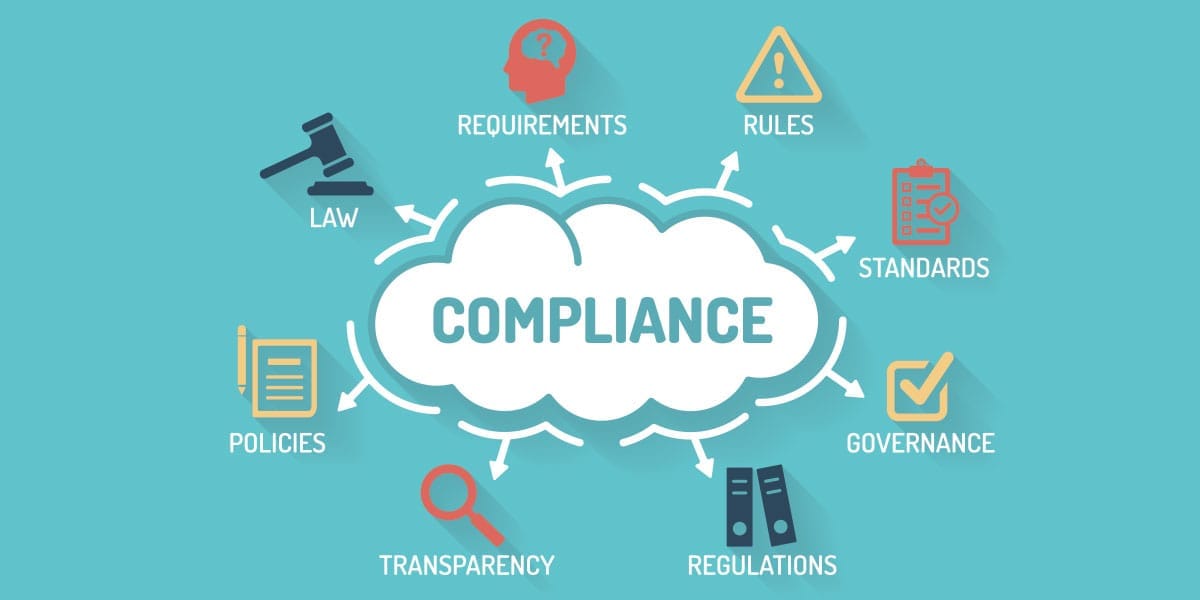
The FCA demands rigorous systems and controls to prevent financial crime, and failure to comply can result in severe penalties. FraudOps embeds compliance into every stage of the investigation lifecycle, ensuring processes align with regulatory guidelines from case initiation to closure. Mandatory fields, validation checks, approval pathways, and tamper-proof audit logs ensure investigations meet FCA expectations. FraudOps also supports internal policies, corporate governance frameworks, and record-keeping standards. This reduces compliance risk, simplifies audits, and demonstrates a proactive approach to regulatory obligations, reinforcing trust with regulators and policyholders.

Strengthening Organisational Integrity and Accountability
Effective governance is not only about compliance; it shapes organisational culture. FraudOps promotes accountability by ensuring every action within an investigation is traceable to a specific user with clear responsibilities. This prevents misconduct, encourages ethical behaviour, and supports transparent decision-making. Teams become more disciplined, data handling becomes more secure, and evidence management becomes more reliable. By embedding integrity into daily investigative practice, FraudOps helps insurers build long-term trust with customers and stakeholders. Organisations gain confidence that investigations are conducted fairly, consistently, and in alignment with the highest standards of corporate governance.

Policy and Procedure Development
A robust governance framework begins with well-defined policies and procedures. These dictate every stage of an investigation, from referral and triage to evidence collection, interviewing, and case closure. Clear roles, responsibilities, escalation paths, and ethical guidelines ensure consistency and legal compliance. FraudOps allows insurers to embed these policies directly into workflows, enforce critical approvals, and mandate documentation at key points. This guarantees adherence to protocols, streamlines operations, and provides a fully auditable record, enabling organisations to maintain integrity, accountability, and fairness across all investigations.

Oversight and Accountability
Strong governance requires clearly defined oversight and accountability mechanisms. Every investigator and manager must understand their responsibilities, and organisations must monitor adherence to policies. Regular reviews, performance metrics, and reporting help identify trends, bottlenecks, and compliance gaps. FraudOps provides intuitive dashboards and comprehensive reporting capabilities, offering real-time visibility into case progress, investigator workloads, and compliance metrics. This transparency enables proactive management intervention, fosters a culture of continuous improvement, and ensures that investigative outcomes are consistent, reliable, and auditable across the enterprise.

Risk Management Integration
Investigation governance should align with enterprise risk management strategies. Legal challenges, data breaches, regulatory non-compliance, and reputational risks must be identified, assessed, and mitigated. FraudOps flags high-risk cases and enables escalation to legal, compliance, or senior management teams. By centralising risk data and linking it to investigative workflows, insurers gain a holistic view of exposures. This proactive approach ensures that investigations are effective yet conducted within acceptable risk parameters, protecting assets, reputation, and regulatory standing while reducing potential adverse outcomes.

Continuous Improvement and Performance Monitoring
A mature governance framework emphasises continuous improvement. Monitoring investigation metrics—such as cycle times, fraud savings, and case resolution quality—helps organisations refine workflows and strengthen controls. FraudOps enables automated tracking of key performance indicators, highlighting inefficiencies or compliance deviations. Insights derived from data analytics support training, process adjustments, and best practice adoption across teams. By systematically reviewing outcomes and implementing lessons learned, insurers ensure that their investigation governance evolves alongside emerging fraud patterns, maintaining operational excellence, compliance, and resilience in an increasingly complex insurance landscape.

Streamlined Workflow Management
Transparency and accountability are central to effective governance. FraudOps provides robust audit trails, meticulously logging every action, decision, and modification within a case. This creates a detailed, immutable history of all investigative activities, invaluable for internal audits, regulatory inquiries, and legal proceedings. Customisable reporting tools allow managers to track case volumes, resolution times, fraud savings, and compliance adherence. These insights support data-driven decision-making, enable performance monitoring, and demonstrate due diligence to regulators and stakeholders, reinforcing the integrity and credibility of the insurer’s investigative processes.

Compliance and Regulatory Adherence
FraudOps is built with regulatory compliance at its core, supporting adherence to FCA, GDPR, and other insurance-specific requirements. The platform ensures that personal data is processed lawfully and securely, with granular access controls to minimise unauthorised use. Consent management and data subject rights are integrated, simplifying GDPR compliance. By centralising secure data handling and embedding regulatory practices into workflows, FraudOps mitigates the risk of breaches and penalties. Insurers gain confidence that investigations are not only efficient but also fully compliant, strengthening trust with clients, regulators, and internal stakeholders.
Risk Management and Oversight
FraudOps integrates risk management into every investigation, enabling insurers to identify and mitigate operational, legal, and compliance risks. High-risk cases can be flagged automatically, ensuring appropriate escalation to management or compliance teams. Real-time dashboards provide oversight of investigator workloads, case progress, and potential bottlenecks. By combining automated alerts with detailed analytics, insurers maintain control over investigative activities, reduce exposure to financial and reputational loss, and foster a culture of accountability. This proactive oversight ensures that governance standards are consistently applied and risks are managed before they escalate.

Audit Trails and Reporting
Transparency and accountability are central to effective governance. FraudOps provides robust audit trails, meticulously logging every action, decision, and modification within a case. This creates a detailed, immutable history of all investigative activities, invaluable for internal audits, regulatory inquiries, and legal proceedings. Customisable reporting tools allow managers to track case volumes, resolution times, fraud savings, and compliance adherence. These insights support data-driven decision-making, enable performance monitoring, and demonstrate due diligence to regulators and stakeholders, reinforcing the integrity and credibility of the insurer’s investigative processes.

FCA Compliance and Fair Treatment of Customers
FraudOps helps insurers adhere to FCA principles, including Treating Customers Fairly (TCF). Structured workflows ensure investigations are impartial, consistent, and auditable. Every action and decision is captured in detailed audit trails, demonstrating compliance with financial crime prevention requirements. By centralising case data, the platform enables identification and management of conflicts of interest, maintaining transparency throughout investigations. Insurers can confidently conduct fraud investigations while proving adherence to FCA rules, protecting both their customers and their regulatory standing.

GDPR-Compliant Data Processing
FraudOps embeds GDPR principles into its core design, ensuring personal data is processed lawfully and securely. The platform supports data minimisation, accuracy, retention limits, and data subject rights, including access, rectification, and erasure. Granular access controls restrict data visibility to authorised personnel only, while secure storage environments protect sensitive information. Anonymisation and pseudonymisation features further enhance compliance. With FraudOps, insurers can confidently manage investigations without risking breaches, fines, or reputational damage, maintaining trust with clients and regulators.

Centralised Case Management for Compliance Oversight
FraudOps centralises investigative data, providing a single source of truth for auditors and compliance teams. Real-time dashboards offer oversight of ongoing cases, investigator activity, and adherence to regulatory protocols. Customisable reporting ensures that key compliance metrics and audit trails are always available for internal reviews and external regulators. By unifying case information and monitoring workflows, insurers can identify gaps, correct deviations promptly, and demonstrate a proactive approach to regulatory compliance.
Risk Mitigation and Continuous Regulatory Adaptation
FraudOps supports insurers in proactively managing regulatory risk by integrating compliance checks into daily investigative operations. Automated alerts flag potential breaches or deviations from FCA and GDPR requirements. The platform is regularly updated to reflect evolving legislation, helping insurers adapt to new rules seamlessly. By embedding these safeguards, FraudOps minimises exposure to fines, legal liabilities, and reputational harm, ensuring investigations remain effective, ethical, and fully compliant with UK regulatory expectations.

Training and Continuous Professional Development
A skilled workforce is foundational to strong governance. All personnel involved in investigations—including claims handlers, legal teams, and management—must receive regular training on regulatory requirements, internal procedures, ethics, and tools like FraudOps. Continuous refreshers keep staff up-to-date with evolving fraud tactics and compliance expectations. Well-trained investigators are better equipped to detect suspicious activity, follow correct protocols, and make informed decisions, reinforcing consistency and integrity across the organisation.

Audits for Oversight and Continuous Improvement
Regular internal and external audits are critical for assessing the effectiveness of governance frameworks. Internal audits identify process deviations, weaknesses, and operational gaps, while external audits provide independent, objective evaluation of compliance posture. These reviews are opportunities for improvement rather than punitive exercises, ensuring processes remain fit for purpose, resilient against emerging threats, and demonstrably compliant with regulatory standards.

Leveraging Technology for Consistent Controls
Embedding governance into investigative workflows via technology reduces human error and enforces consistent application of controls. Platforms like FraudOps automate routine tasks, enforce procedural steps, and maintain predefined escalation paths. Automated checks, mandatory fields, and integrated alerts ensure policies are applied uniformly across all cases. This approach strengthens reliability, enhances compliance, and provides an auditable record of governance in action.

AI and Automation for Future-Proof Governance
AI and automation are transforming investigation governance. Predictive analytics enable proactive risk assessment by identifying anomalies before formal investigations begin. AI-driven insights dynamically update controls to address emerging fraud trends and vulnerabilities. FraudOps acts as an intelligent orchestrator, learning from past investigations, recommending optimal workflows, and providing actionable intelligence. This ensures governance frameworks remain adaptive, robust, and capable of mitigating future fraud challenges efficiently.
Predictive Analytics for Risk Assessment
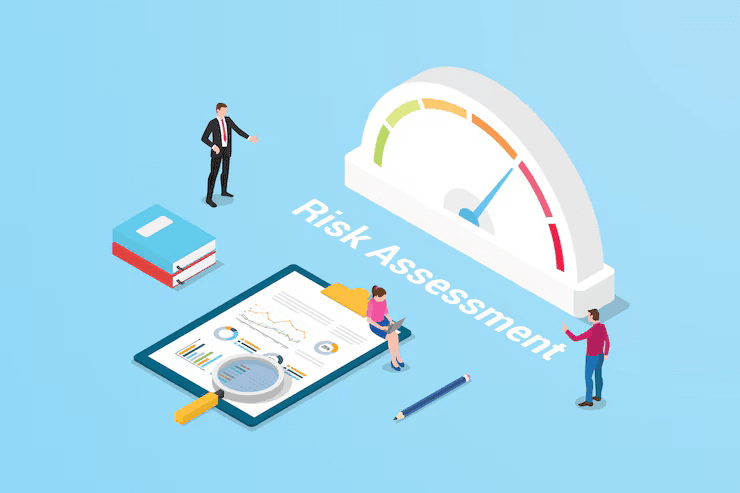
AI-powered predictive analytics enables insurers to assess potential fraud risks even before investigations formally begin. By analysing historical claims, transaction patterns, and emerging trends, insurers can prioritise high-risk cases and allocate resources efficiently. FraudOps integrates predictive models to provide early warnings, ensuring that investigations focus on the most critical areas, reducing financial losses and enhancing overall fraud prevention strategies.

Real-Time Insights for Dynamic Governance
AI allows governance frameworks to adapt in real-time as new threats emerge. FraudOps continuously monitors investigative data and operational metrics, providing actionable intelligence to adjust workflows, update rules, and implement control measures. This dynamic approach ensures that governance remains effective and agile, even as fraudsters develop new techniques, maintaining a proactive rather than reactive stance.

Automation for Consistency and Compliance
Automation enhances the reliability and consistency of governance. FraudOps embeds procedural rules directly into workflows, enforcing mandatory steps, approvals, and escalation paths. Routine checks are automated, reducing human error and ensuring uniform compliance with regulations such as FCA and GDPR. Investigators can focus on analytical tasks while the system maintains operational integrity and an auditable record of all actions.

AI as an Intelligent Orchestrator
FraudOps functions as an intelligent orchestrator, learning from past investigations to recommend optimal investigative paths and prioritise cases. AI-driven insights inform decision-making, streamline resource allocation, and highlight emerging risks. By combining machine intelligence with human expertise, insurers can strengthen governance, enhance operational efficiency, and maintain robust, adaptive fraud management for the future.