
Automated Data Ingestion and Normalisation
The Workbench automatically gathers and normalises data from policy systems, claims platforms, third-party databases, and uploaded documents into a single structured case file. This eliminates the need for investigators to manually source information across multiple systems. Normalisation ensures consistency in formats, terminology, and data fields, providing a clean operational dataset for BI analysis. With a complete case file available from the first touchpoint, investigators gain immediate time-to-analysis, significantly improving workflow efficiency and reducing overall cycle time for each investigation.

Dynamic Risk Scoring and Prioritisation
Static rules often flood teams with low-value alerts, but the Workbench introduces dynamic, data-driven risk scoring that adjusts to claim characteristics and behavioural patterns. Each score includes a clear, auditable reason code, supporting transparency and investigator trust. Cases are automatically prioritised and routed based on risk, complexity, and operational needs, ensuring optimal alignment of investigator skill and case severity. This targeted prioritisation improves case throughput, enhances decision accuracy, and directs organisational resources toward the highest-impact claims.

Intelligent Case Routing and Assignment
To maximise investigation efficiency, the Workbench uses structured data and risk insights to route cases to the most suitable investigators. Factors such as workload capacity, domain expertise, claim type, and historical performance are all considered in routing decisions. This ensures that complex, high-risk cases reach senior investigators, while standardised cases can be resolved by junior staff or automated workflows. Intelligent assignment reduces bottlenecks, balances team productivity, and creates a strong foundation for consistent, high-quality investigation outcomes.

Pre-Built Contextual Insights for Faster Start
Each case delivered through the Workbench includes curated contextual insights that accelerate early-stage analysis. These insights may include historical claim behaviour, policy patterns, external data matches, metadata from documents, and relevant investigative flags. By surfacing this information upfront, the Workbench eliminates hours of manual review and allows investigators to focus on evaluating risk indicators and forming hypotheses. This enriched start-point directly supports BI goals such as workflow optimisation, cycle time reduction, and consistent decision capture across the investigation lifecycle.

Unified Case File
The Workbench creates an immutable, single-source record for each claim, including linked entities, risk scores, reason codes, and investigator notes. This eliminates the need for context switching across multiple systems and ensures data integrity. Investigators can easily access all case information at a glance, improving efficiency and reducing errors. For BI teams, this structured record enables accurate reporting, process optimisation, and predictive analysis across the claims portfolio.

Customisable Workflow Engine
Investigation protocols vary by insurer or region. FraudOps allows teams to define and enforce specific workflows, from initial review to final disposition. This ensures consistent adherence to internal standards and regulatory requirements. Standardised procedures reduce variation, improve decision quality, and streamline case handling. Workflow automation also frees investigators to focus on high-value tasks while enabling management to monitor compliance and performance across the team effectively.
Integrated Communication
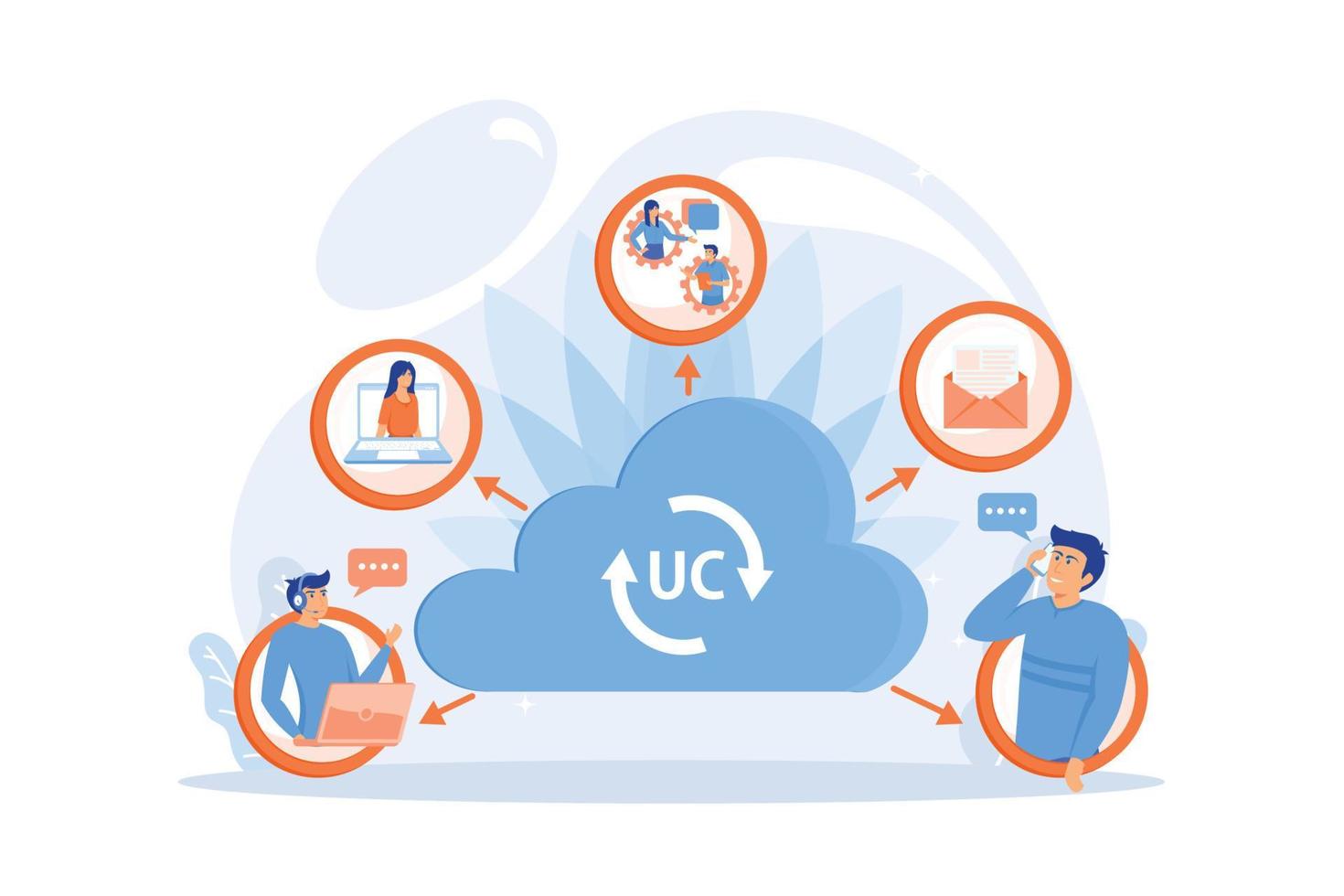
In-platform secure chat, notes, and case-linked messages centralise all communication related to a claim. Investigators and team members can collaborate without leaving the Workbench, reducing delays and information loss. The integrated communication ensures all discussions are auditable and linked directly to the case file, supporting compliance and reducing operational risk. Teams experience faster decision-making and a seamless collaboration environment that strengthens investigative quality and customer satisfaction.

Activity Tracking
FraudOps automatically logs all investigator actions, data changes, and system events. This provides management with full visibility into team activity and ensures a complete audit trail for regulatory compliance. Activity tracking identifies process bottlenecks, supports BI analysis, and helps optimise resource allocation. It also promotes accountability and transparency within the team, fostering professional investigation practices and improving overall operational efficiency.

Entity Resolution and Network Mapping
Entity Resolution and Network Mapping automatically identifies and links related entities across multiple claims and policies, even handling minor inconsistencies like name variations or shared contact details. The platform visualises these connections in an interactive network map, highlighting shared addresses, affiliations, and claim patterns. By revealing hidden relationships and organised schemes, investigators can quickly pivot to strategic action without manually cross-referencing large datasets. This accelerates investigation speed, enhances accuracy, and provides actionable insights, enabling TPAs to uncover complex fraud networks efficiently.

Pattern Recognition and Anomaly Detection
FraudOps leverages AI algorithms to detect unusual claim patterns, anomalies, and deviations from historical behavior. Investigators can quickly identify suspicious clusters, repetitive claim types, or geographic patterns that indicate potential fraud. This predictive insight reduces reliance on intuition, allowing for data-driven investigative decisions. By integrating pattern recognition directly into the workflow, investigators gain a continuous, automated mechanism for uncovering hidden risks across all claims and policy data.

Case Prioritisation and Workflow Optimization
The platform ranks cases based on risk scores derived from historical data, entity connections, and behavioral indicators. Investigators can prioritize high-risk claims, focus resources effectively, and streamline investigative workflows. By visualizing case priorities and connections in the same interface, FraudOps ensures that investigators spend more time on actionable insights rather than administrative tasks, boosting overall productivity and reducing investigation backlogs.

Collaborative Investigation Tools
FraudOps supports multi-investigator collaboration with shared annotations, live updates, and centralized case notes. Teams can work concurrently on complex networks, ensuring consistency and knowledge transfer. Visual link maps are shared in real-time, allowing investigators to collectively identify suspicious patterns, document findings, and coordinate next steps. Collaboration features enhance investigative efficiency, reduce duplication of effort, and maintain audit-ready records for compliance and reporting purposes.

Centralised Evidence Repository
FraudOps provides a centralized repository for all case-related evidence, including documents, multimedia files, and third-party reports. Each item is securely stored, indexed, and fully searchable, enabling investigators to quickly locate relevant information. Built-in annotation and viewing tools allow evidence to be examined in context without leaving the platform. This centralization ensures that investigators maintain a complete, chronological, and tamper-proof record, supporting the integrity of the investigation and facilitating seamless collaboration across teams while providing a defensible foundation for legal review or law enforcement referral.

One-Click Reporting Generation
Investigators can generate comprehensive, branded reports directly from the case file with a single click. FraudOps automatically integrates case data, evidence details, entity connections, and investigator notes into pre-defined templates, creating professional, audit-ready reports. This feature drastically reduces the time spent formatting and compiling documentation, allowing investigators to focus on analysis and strategic decision-making. Consistent report generation ensures that all stakeholders, including legal teams and regulatory bodies, receive accurate, organized, and defensible documentation, improving overall transparency, workflow efficiency, and confidence in the investigative outcomes.

Evidence Tagging and Categorisation
FraudOps enables investigators to tag and categorize evidence by type, relevance, or investigation stage, making it easy to filter, search, and retrieve critical information. Metadata such as timestamps, source details, and investigator actions are automatically captured, providing context for each item. This systematic approach helps investigators quickly assemble targeted evidence sets, identify key patterns, and maintain order across multiple cases. By keeping evidence organized and easily navigable, FraudOps ensures that no critical material is overlooked, improves investigative efficiency, and supports a clear, auditable trail for compliance and case review purposes.

Audit Trail and Compliance Tracking
Every action performed on evidence is automatically logged, including uploads, edits, downloads, and annotations, complete with investigator credentials and timestamps. FraudOps monitors unusual activity and maintains a secure audit trail, ensuring accountability and transparency throughout the investigation. This continuous tracking supports compliance with internal policies, regulatory standards, and legal requirements. Investigators can demonstrate the integrity of evidence and actions taken, enhancing defensibility in court or regulatory reviews. The audit trail provides peace of mind, allowing teams to focus on investigative insights while maintaining full compliance and data security.

Real-Time Performance Dashboards
FraudOps offers real-time dashboards that provide complete visibility into key operational metrics, including average case cycle time, closure rates, referral accuracy, and investigator workload distribution. These dashboards allow managers to identify bottlenecks, optimize resource allocation, and monitor performance trends across the team. By presenting objective, up-to-date data in an intuitive interface, the platform enables data-driven decision-making, ensures workloads are balanced, highlights training opportunities, and empowers leadership to maintain efficiency and productivity as the investigative team scales.

Seamless Integration Ecosystem
Built on a modern, API-first architecture, FraudOps integrates effortlessly with core systems such as policy administration platforms, claims management software, and enterprise data warehouses. This interoperability ensures that operational metrics are accurate, up-to-date, and aligned with all sources of truth across the organization. The flexible design allows organizations to incorporate new data sources or adopt emerging technologies without costly overhauls, ensuring long-term adaptability. By providing a connected ecosystem, the platform enhances workflow continuity, operational transparency, and the ability to scale investigative capabilities efficiently.

Workflow Analytics and Bottleneck Identification
FraudOps continuously analyzes investigative workflows to uncover inefficiencies and process bottlenecks. By tracking case progression, task handoffs, and resolution timelines, managers gain insight into delays and resource constraints. This intelligence helps prioritize high-impact interventions, streamline procedures, and optimize team productivity. With detailed workflow analytics, leadership can implement targeted process improvements, reduce case backlogs, and ensure that investigations progress efficiently from initial intake to closure, maintaining consistent quality and operational excellence across all investigative activities.

Performance Benchmarking and Continuous Improvement
The platform allows organizations to benchmark individual and team performance against historical data, internal KPIs, and industry standards. Investigators and managers can assess trends, measure progress, and identify opportunities for improvement in real time. By combining quantitative performance metrics with actionable insights, FraudOps fosters a culture of continuous improvement, enabling teams to adapt to evolving fraud patterns, enhance operational efficiency, and maintain high standards of investigative accuracy and effectiveness while scaling investigative operations responsibly.

Initial Adoption – Workflow Standardisation & Data Consolidation
During initial adoption, FraudOps focuses on streamlining investigative workflows and consolidating fragmented data sources. Investigators benefit from automated case intake, centralised evidence storage, and standardized procedures, which immediately reduce manual data entry and improve case consistency. This foundation allows teams to handle cases more reliably and ensures accurate documentation from the outset. By eliminating inefficiencies and providing structured access to information, the platform lays the groundwork for higher productivity and prepares the team for scalable growth and more advanced analytical capabilities in the future.

Mid-Term Growth – Investigator Efficiency & Throughput
As teams progress to mid-term growth, FraudOps enhances investigator efficiency and throughput. Case volumes per investigator increase, cycle times shorten, and workloads are optimally balanced using real-time performance dashboards and workflow analytics. Investigators can focus on high-value analysis while repetitive tasks are automated, enabling the team to handle more cases without compromising quality. The platform provides insights into individual and team performance, helping managers allocate resources effectively and ensuring that operational growth keeps pace with increasing investigative demands.

Strategic Maturity – Predictive Insight & Process Optimisation
At the strategic maturity stage, the workbench delivers predictive insights and supports process optimization. Data from historical cases, entity relationships, and workflow trends inform underwriting decisions and claims process improvements, reducing risk exposure upstream. Investigators can identify emerging fraud patterns before they escalate, and management can implement systemic changes to prevent losses. By leveraging advanced analytics, teams evolve from reactive problem-solving to proactive risk management, transforming investigative operations into a strategic driver for organizational performance and long-term sustainability.

Long-Term Impact – Continuous Improvement & Organizational Alignment
In the long-term, FraudOps enables continuous improvement and alignment between investigative operations and organizational strategy. Insights derived from the platform guide policy adjustments, training initiatives, and technology adoption, ensuring that the team adapts to evolving fraud patterns. Investigators and managers can measure outcomes, benchmark performance, and implement iterative process enhancements. This strategic alignment transforms the investigative function from a support role into a key contributor to enterprise-wide risk mitigation, operational efficiency, and strategic decision-making, delivering measurable business impact and reinforcing the value of the workbench across the organization.