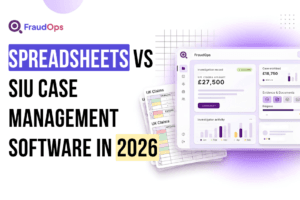
The Real Cost of Using Spreadsheets Vs. SIU Case Management Software in 2026
Still tracking fraud cases in spreadsheets? Here’s what it actually costs an SIU team in time, errors and lost audit trail.
Still tracking fraud cases in spreadsheets? Here’s what it actually costs an SIU team in time, errors and lost audit trail.
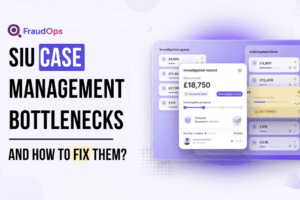
SIU case management bottlenecks rarely come from a lack of technology or headcount. They come from four repeatable failure points: triage queues, lost handoffs, invisible workload, and scattered case data.
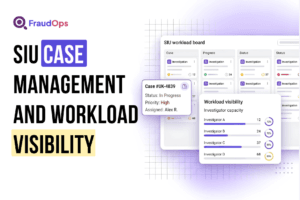
Most SIU case management tracks cases, not the people working them. Here’s why that blind spot concentrates backlog and burnout on a few investigators, and what workload visibility actually fixes.
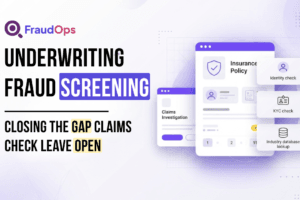
684,800 fraudulent applications were stopped in the UK last year. Here’s how underwriting fraud screening closes the gap claims-only checks leave open.
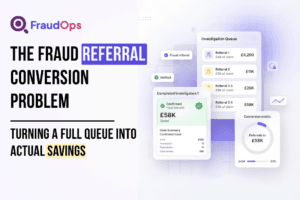
Detection fills the queue; fraud referral conversion decides how much you actually save. Where counter-fraud savings leak between referral and outcome, and how to close the gap.
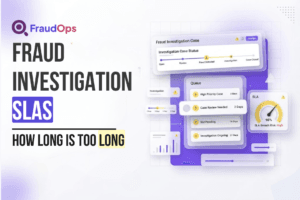
How long should a fraud investigation take? Realistic SLA ranges by case type, what delay costs under Consumer Duty, and how to hit deadlines without cutting corners.