
Where Fraud Cases Get Lost: The Cost of Handoffs Between Claims, SIU and Legal
Every fraud case handoff between claims, SIU and legal loses context and duplicates intel work. Here is where cases stall, and how one case record fixes it.
Every fraud case handoff between claims, SIU and legal loses context and duplicates intel work. Here is where cases stall, and how one case record fixes it.
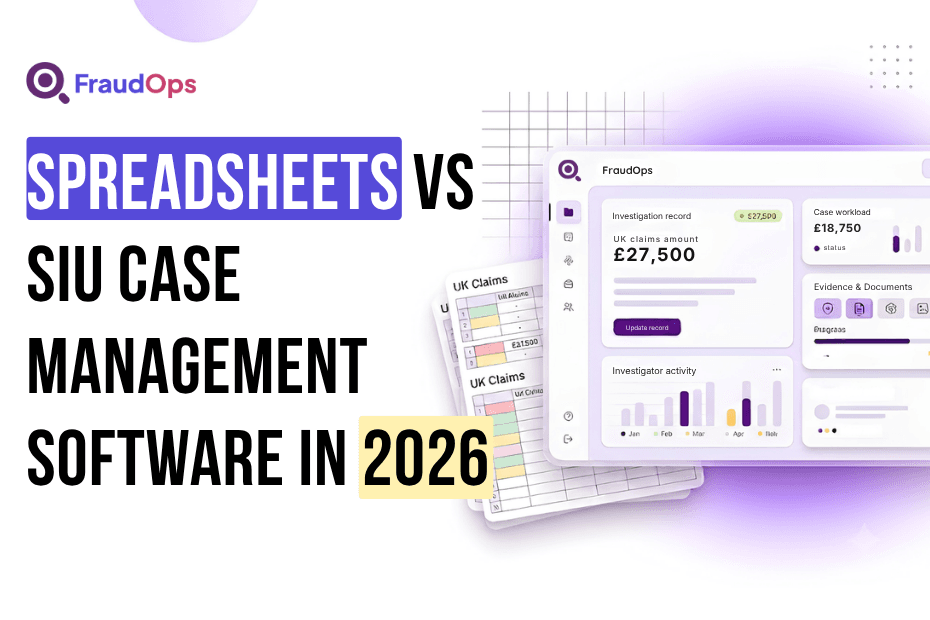
Still tracking fraud cases in spreadsheets? Here’s what it actually costs an SIU team in time, errors and lost audit trail.
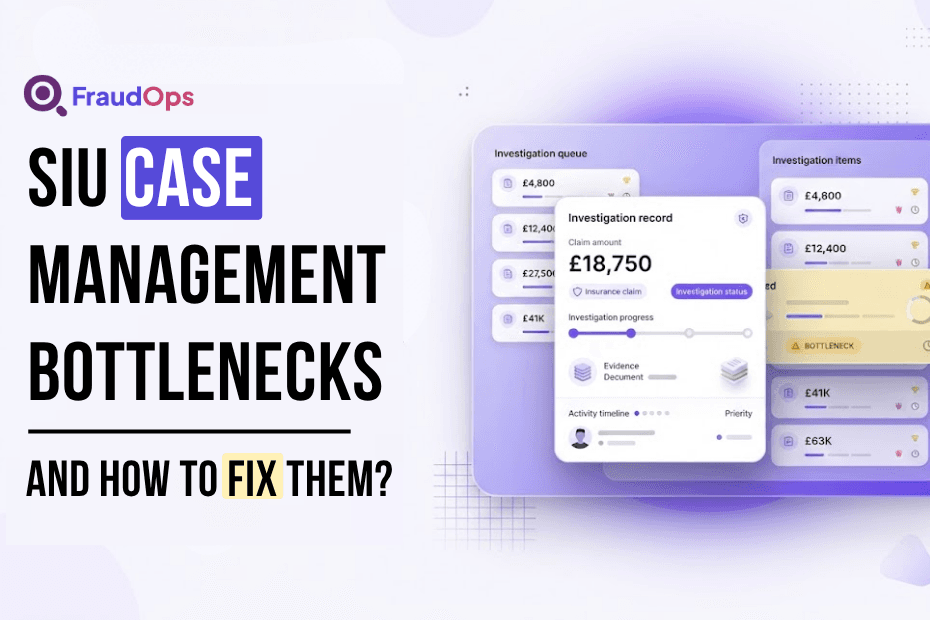
SIU case management bottlenecks rarely come from a lack of technology or headcount. They come from four repeatable failure points: triage queues, lost handoffs, invisible workload, and scattered case data.
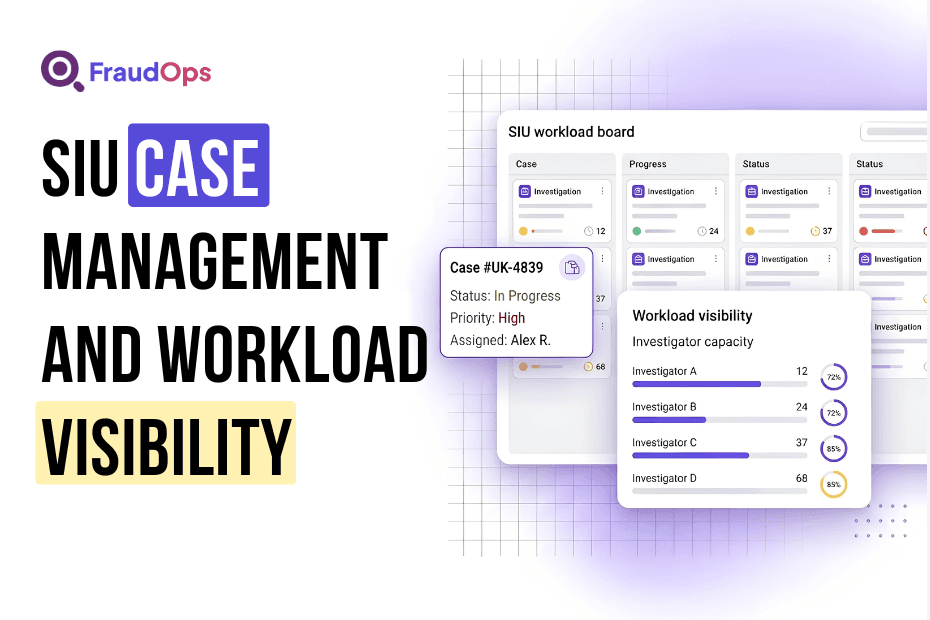
Most SIU case management tracks cases, not the people working them. Here’s why that blind spot concentrates backlog and burnout on a few investigators, and what workload visibility actually fixes.
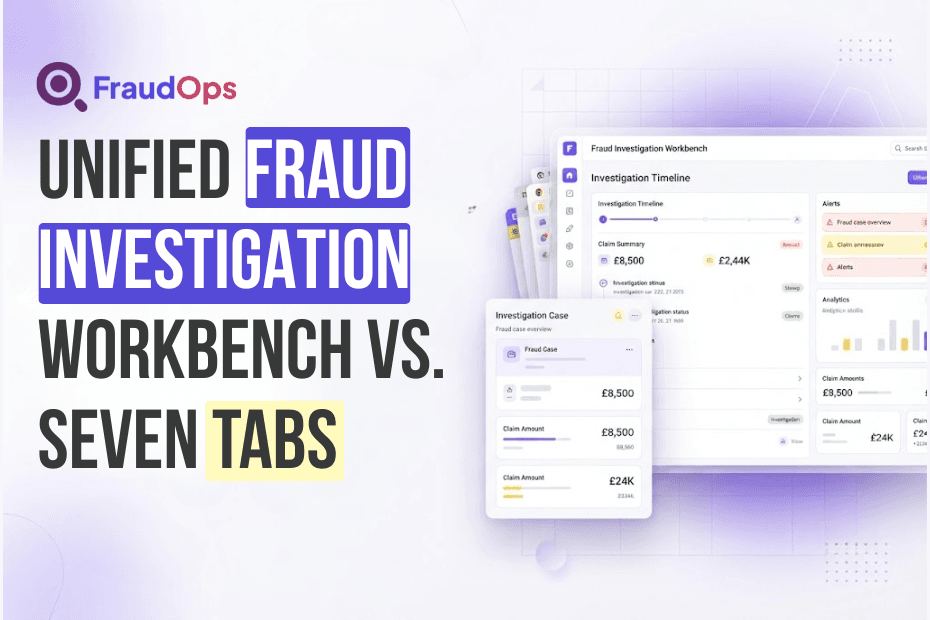
A unified fraud investigation workbench brings the whole case onto one surface. What that changes for case visibility, consistency and investigator capacity.

Detection keeps filling the queue; the fraud alert backlog is where savings leak. Why more fraud alerts don’t mean more savings — and how to clear it.
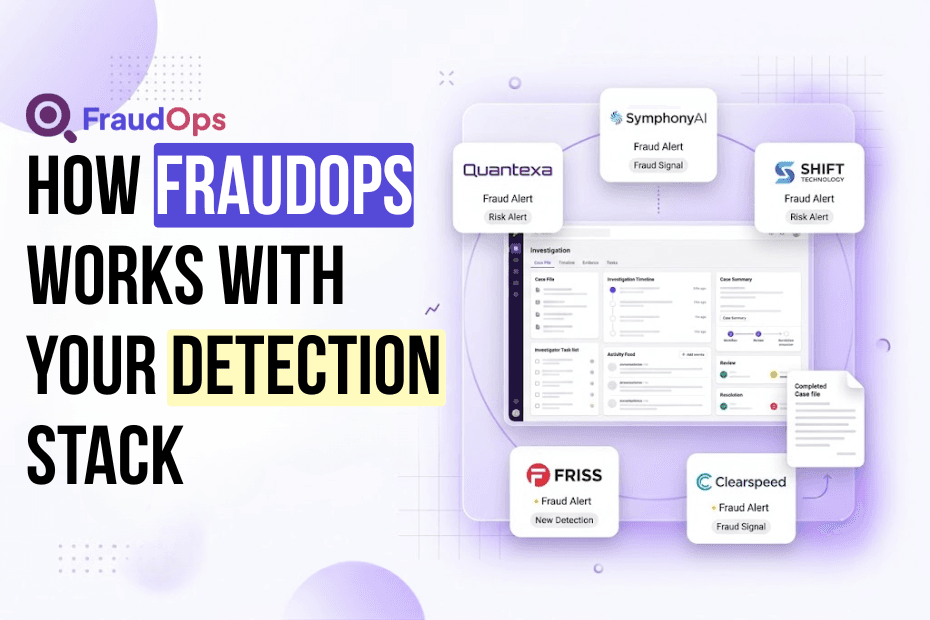
FraudOps complements your detection stack: scores and alerts in, outcomes and enriched data back, live in weeks — not quarters.
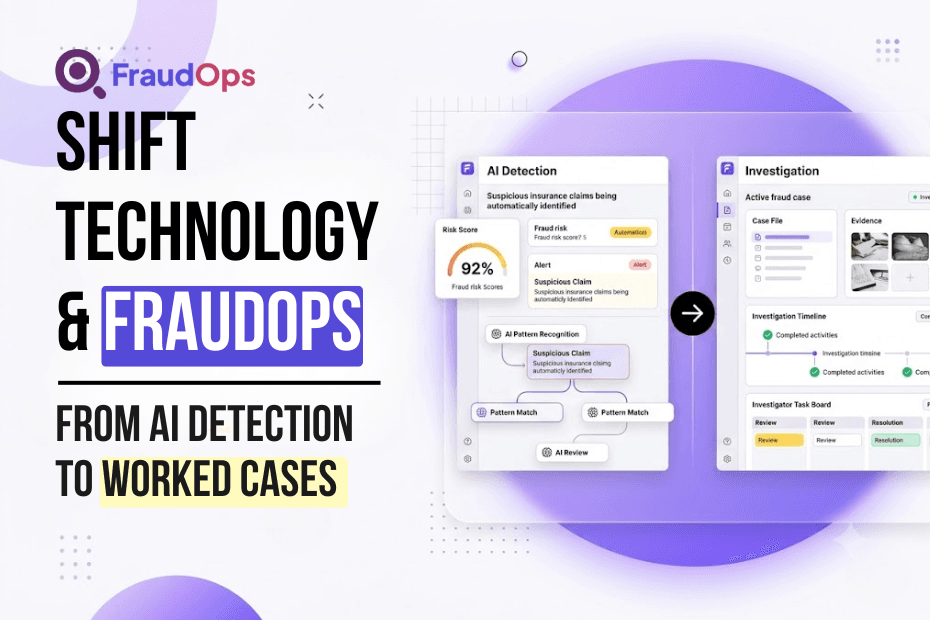
Shift finds suspicious claims; FraudOps turns them into worked cases and evidenced savings. How the two layers run together.
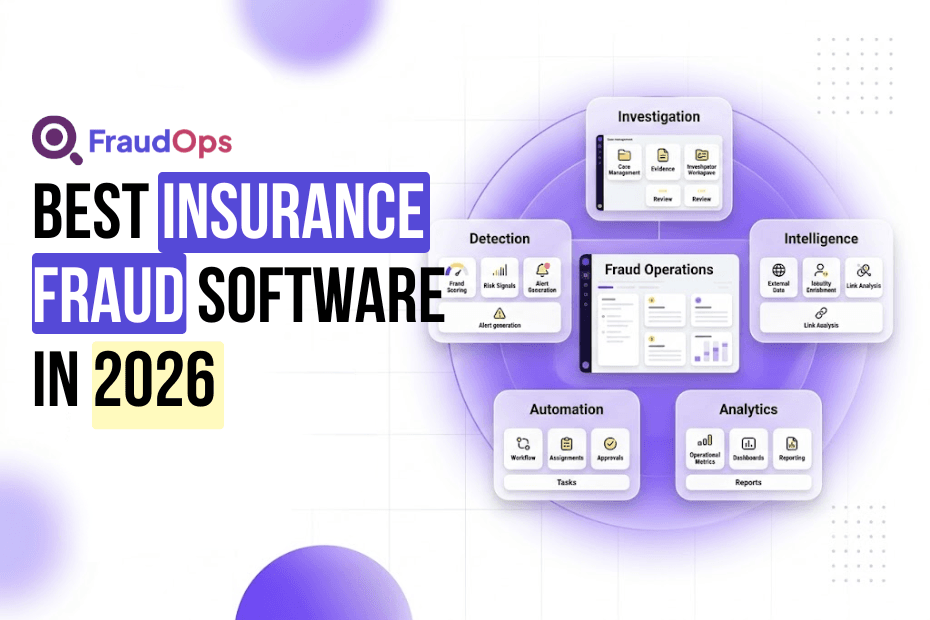
An honest guide to the 2026 insurance fraud software landscape — detection platforms, investigation workbenches, and how UK insurers combine the two layers.
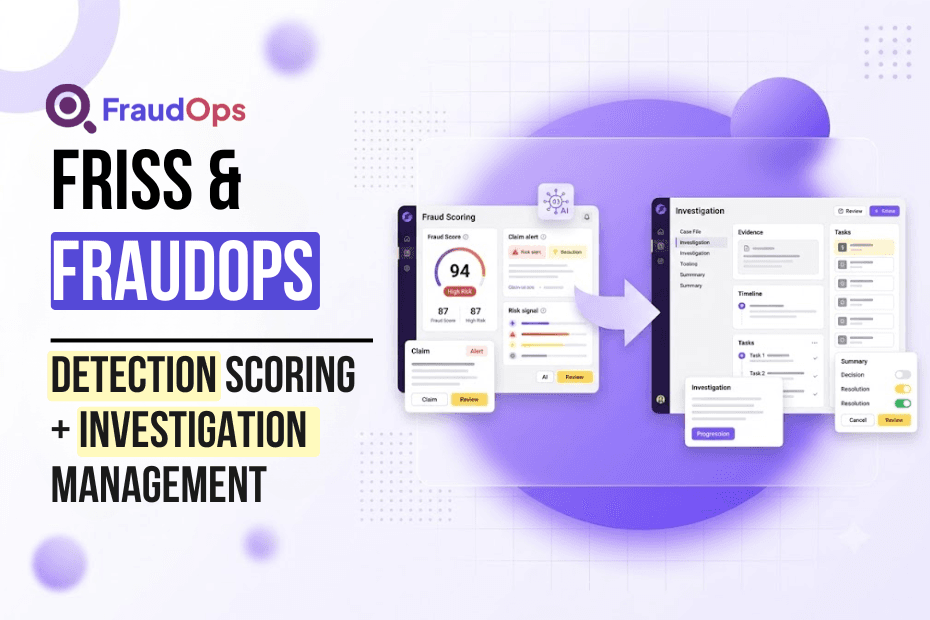
FRISS scores risk; FraudOps runs the investigations. How the two layers fit — and what “FRISS alternatives” searches usually really mean.