Underwriting Fraud Screening Closes the Gap That Claims-Only Checks Leave Open
684,800 fraudulent applications were stopped in the UK last year. Here’s how underwriting fraud screening closes the gap claims-only checks leave open.
Detection fills the queue; fraud referral conversion decides how much you actually save. Where counter-fraud savings leak between referral and outcome, and how to close the gap.
How long should a fraud investigation take? Realistic SLA ranges by case type, what delay costs under Consumer Duty, and how to hit deadlines without cutting corners.
Detection keeps filling the queue; the fraud alert backlog is where savings leak. Why more fraud alerts don’t mean more savings — and how to clear it.
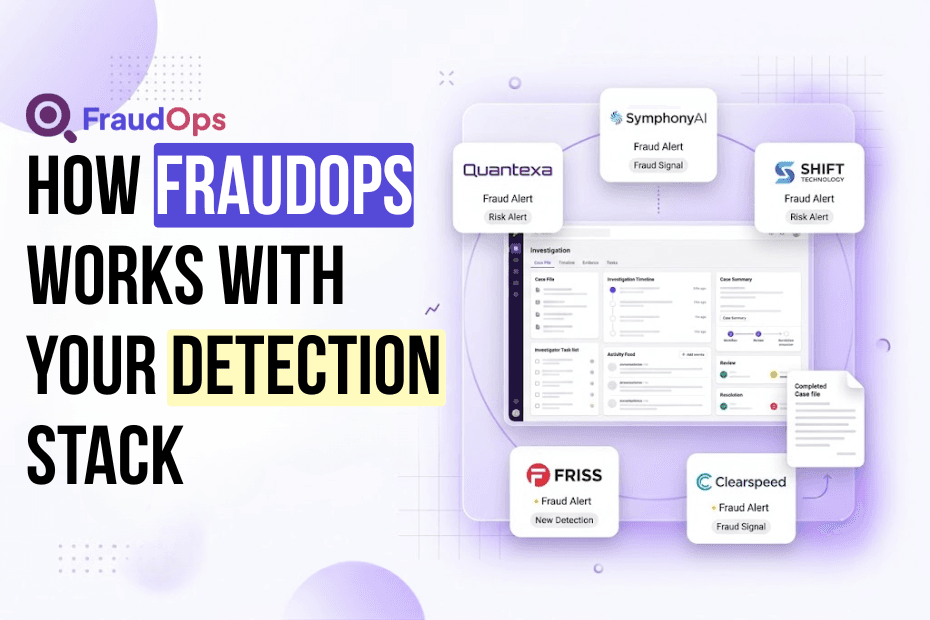
FraudOps complements your detection stack: scores and alerts in, outcomes and enriched data back, live in weeks — not quarters.
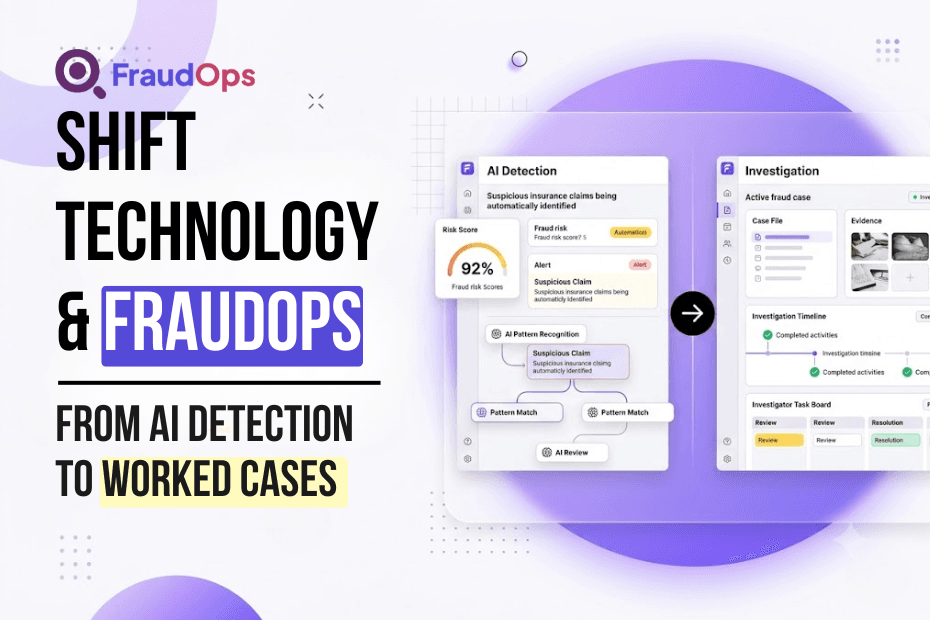
Shift finds suspicious claims; FraudOps turns them into worked cases and evidenced savings. How the two layers run together.
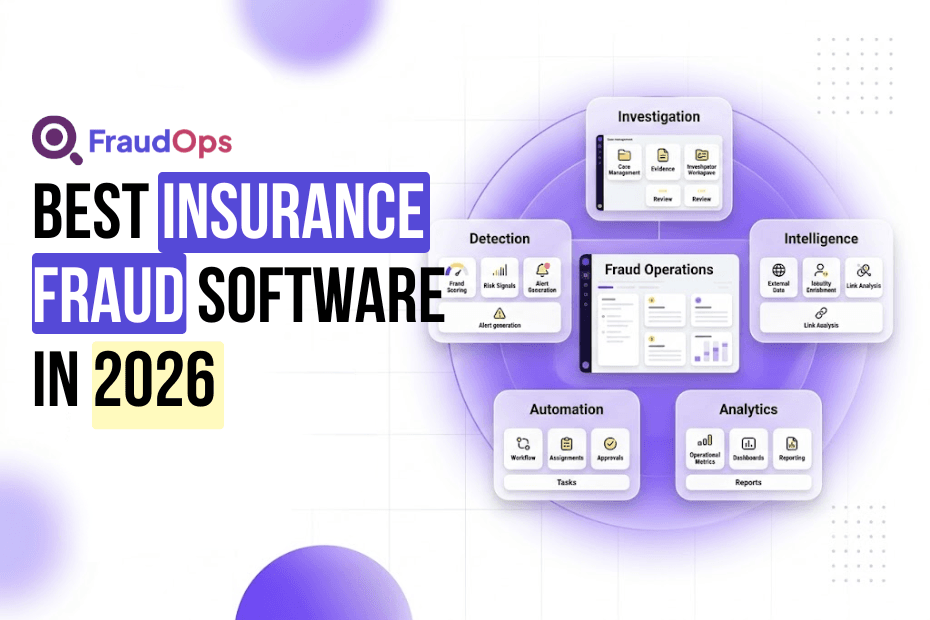
An honest guide to the 2026 insurance fraud software landscape — detection platforms, investigation workbenches, and how UK insurers combine the two layers.
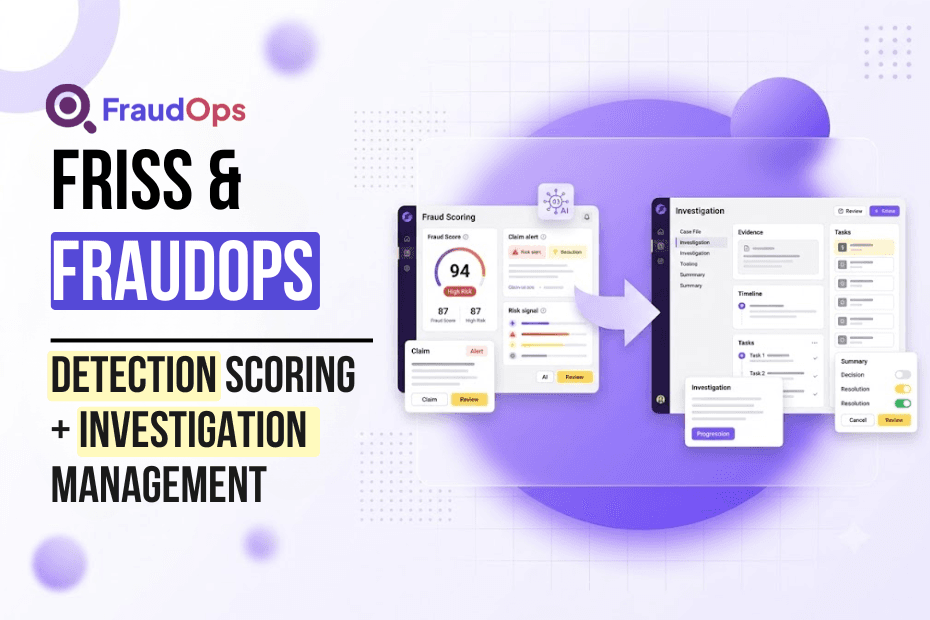
FRISS scores risk; FraudOps runs the investigations. How the two layers fit — and what “FRISS alternatives” searches usually really mean.
Case IQ offers breadth across investigation types; FraudOps offers insurance-native depth. An honest comparison for insurers and TPAs.
Fraud detection and investigation management are different jobs. Detection finds the suspicious claim; investigation management turns it into a worked outcome. Why the gap costs money, and how to close it.