
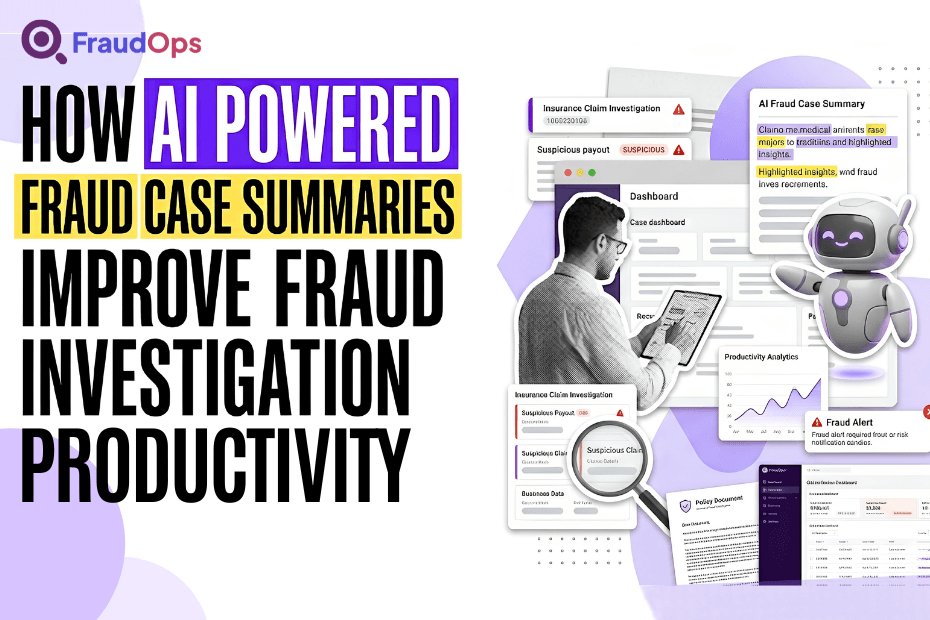
Fraud investigators are expected to analyse evidence, review inconsistencies, and make informed decisions quickly, yet a significant part of their working day is often spent writing reports instead of progressing investigations. Across UK insurance, documentation remains essential because every case requires a clear audit trail, structured evidence, and defensible conclusions. The challenge is that preparing reports manually can consume hours of investigator time, especially when information is spread across multiple systems. This is why interest in AI powered fraud case summaries has increased steadily, as fraud teams look for practical ways to reduce administrative workload while maintaining reporting quality and compliance standards.
Why Writing Cases Takes So Much Time
Most fraud investigations involve far more than analysing suspicious activity. Investigators also need to prepare detailed documentation that explains what was reviewed, what evidence was considered, and how conclusions were reached. Every action taken during the investigation process needs to be recorded properly.
The issue is that many teams still rely on manual reporting processes. Notes are collected across emails, claims systems, spreadsheets, and external intelligence sources before investigators even begin writing the final summary. By the time all the information is organised, a large portion of the working day may already be gone.
This becomes even more difficult when referral volumes rise. Investigators are expected to close cases efficiently while maintaining detailed reporting standards. As a result, documentation work begins competing directly with investigation work itself.
For many teams, this is where AI powered fraud case summaries are becoming increasingly valuable because they reduce the amount of repetitive writing required after investigative work has already been completed.
The Operational Cost of Manual Fraud Reporting
Manual reporting does not simply affect productivity. It also changes how fraud operations function overall. When investigators spend large portions of their day preparing case documentation, fewer cases move through the pipeline efficiently.
This creates delays across investigations, increases operational pressure, and contributes to growing backlogs. Genuine claimants may wait longer for updates while investigators work through administrative tasks instead of progressing active referrals.
The pressure also affects consistency. Under workload strain, reporting quality can vary between investigators depending on how much time is available for documentation. Some reports become highly detailed, while others rely heavily on condensed notes or repetitive templates simply to maintain throughput.
Over time, these inefficiencies affect both operational performance and investigator morale. Most investigators want to focus on evidence analysis and fraud detection rather than repetitive administrative work.
This is one of the reasons AI case summaries are gaining attention across UK insurance fraud operations because they help reduce reporting effort without compromising documentation standards.
Why Traditional Reporting Processes Struggle
Traditional documentation processes were designed around governance and compliance requirements rather than operational efficiency. Investigators are expected to manually structure timelines, summarise evidence, and produce complete narratives for every case.
The difficulty is that fraud investigations involve large amounts of fragmented information. Claims histories, communication records, policy details, intelligence checks, and external data sources all need to be reviewed and incorporated into the report.
In many organisations, investigators switch between several systems while preparing a single case summary. This fragmented workflow creates delays and increases the likelihood of duplicated effort.
The actual writing process is often only part of the problem. Much of the time is spent gathering information, organising evidence, and rebuilding the chronology of the case before the report can even begin.
This is where AI powered fraud case summaries are changing operational workflows because the technology helps structure and consolidate information automatically instead of relying entirely on manual effort.
How AI Powered Fraud Case Summaries Improve Investigation Workflows
The goal of AI powered fraud case summaries is not to replace investigators or automate conclusions. The purpose is to reduce repetitive documentation effort so investigators can focus more time on analysis and decision making.
Modern systems can organise case notes, evidence references, timelines, linked entities, and communication records into structured draft summaries automatically. Instead of starting with a blank document, investigators review and refine a prepared structure that already contains the key investigation activity.
This creates significant time savings across the reporting process. Investigators spend less time rewriting information that already exists elsewhere in the workflow and more time validating findings and strengthening evidence.
Many fraud operations are now introducing AI assisted case summaries to improve continuity because documentation develops alongside the investigation itself rather than being recreated at the end of the process. Information is easier to track, timelines remain clearer, and reporting becomes more consistent across teams.
For operational leaders, this creates another important benefit. Standardised reporting structures make management review and audit oversight far easier because case documentation follows a more consistent format across the organisation.
Book a demo and see how FraudOps uses AI powered fraud case summaries to reduce documentation time, improve reporting consistency, and help investigators focus on active cases instead of repetitive admin work.
AI Case Summaries and Audit Quality
One concern that often appears around automation is the fear that faster reporting may weaken governance standards. In practice, well structured reporting systems can actually improve consistency and audit quality.
Every fraud investigation still requires human judgement. Investigators continue to validate findings, review evidence, and approve final summaries before cases are closed. The technology assists with assembling and structuring information rather than making investigative decisions independently.
This distinction matters because fraud operations require clear accountability and traceable decision making. AI Case Summaries work best when they support investigators rather than replacing their expertise.
Structured reporting also reduces the risk of missing important information. Automated summaries can ensure that timelines, evidence references, and investigation actions are consistently included within the report structure.
For organisations managing high case volumes, this creates stronger operational control while also reducing administrative burden.
Why Investigator Productivity Depends on Better Documentation Workflows
The conversation around fraud investigator productivity often focuses on detection models, triage processes, and referral management, yet reporting remains one of the largest hidden drains on operational capacity.
Investigators may spend hours each week preparing summaries, formatting evidence, and rewriting case histories manually. Even straightforward referrals can generate lengthy administrative workloads when documentation processes remain fragmented.
Reducing this burden creates immediate operational value. Investigators gain additional time for interviews, intelligence analysis, evidence review, and active case progression instead of repetitive writing tasks.
This is where AI assisted case summaries are having a noticeable operational impact. The productivity gain does not come from reducing investigation quality. It comes from reducing unnecessary administrative friction surrounding the documentation process.
As fraud referral volumes continue to rise across UK insurance, improving documentation efficiency is becoming increasingly important for maintaining throughput and operational performance.
Why Faster Reporting Helps the Entire Fraud Operation
Faster documentation affects much more than individual investigator productivity. It improves the movement of cases across the entire fraud operation.
When summaries are completed efficiently, cases can progress through review and outcome stages faster. Investigators spend less time carrying partially completed reports while management teams gain quicker visibility into investigation outcomes.
Operational reporting also becomes more reliable because structured summaries create clearer and more consistent data across the investigation portfolio. This supports stronger oversight, better management information, and improved audit readiness.
The effect becomes particularly noticeable during periods of high referral volume, where administrative bottlenecks often slow the wider operation. AI case summaries help reduce these delays by keeping documentation aligned with the pace of the investigation itself.
This is why many fraud leaders increasingly view intelligent reporting workflows as operational efficiency tools rather than simple reporting automation.
The Balance Between Speed and Oversight
Speed matters within fraud operations, but oversight remains equally important. Fraud investigations require clear evidence handling, transparent reasoning, and defensible reporting standards.
Well implemented AI assisted case summaries support these requirements because they standardise how information is captured and presented. Investigators still control the final narrative and validate the accuracy of every summary before closure.
This balance between automation and human oversight is what makes AI supported reporting practical within fraud investigations. The technology reduces repetitive administrative effort while preserving professional judgement and governance standards.
For many organisations, the value lies in allowing investigators to focus their expertise where it matters most instead of spending excessive time on repetitive formatting and report preparation.
Bottom Line
Case documentation will always remain an essential part of fraud investigations, but it should not consume the same amount of time as the investigation itself. Across UK insurance fraud operations, administrative workload continues to place pressure on investigators who are already managing rising referral volumes and increasing reporting expectations.
The rise of AI powered fraud case summaries reflects a broader shift toward reducing operational friction while maintaining strong governance and audit standards. By helping investigators organise evidence, structure timelines, and prepare consistent reports more efficiently, these tools create a more balanced investigation workflow.
The result is not simply faster reporting. It is a stronger operational process where investigators can spend more time analysing fraud risks and progressing cases instead of rebuilding information manually at the end of every investigation.