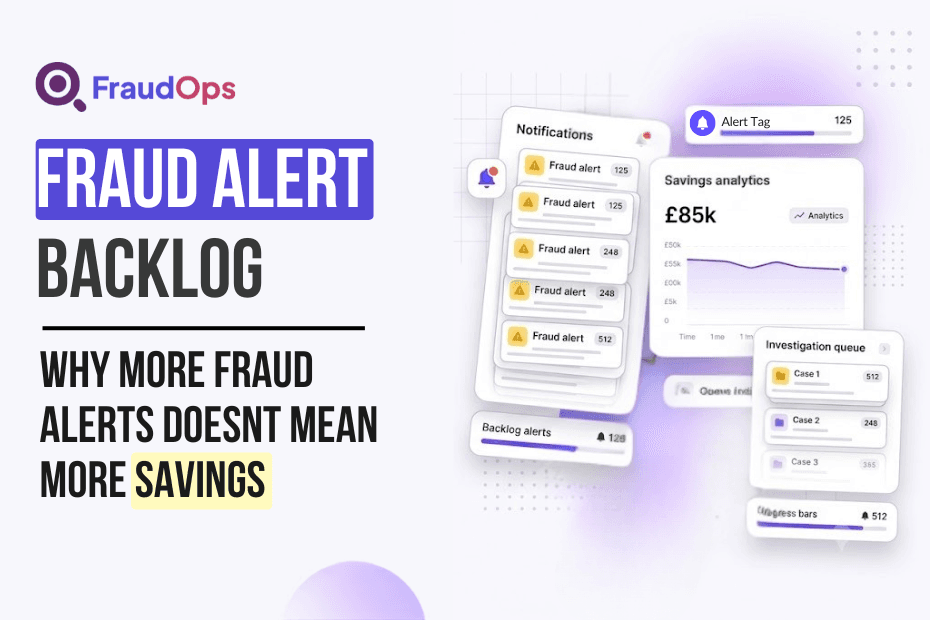
Why More Fraud Alerts Don’t Mean More Savings: The Fraud Alert Backlog
Detection keeps filling the queue; the fraud alert backlog is where savings leak. Why more fraud alerts don’t mean more savings — and how to clear it.
Human-in-the-loop AI in fraud investigation means AI handles retrieval and drafting while a named investigator makes every material decision. What regulators and investigators both need, and why full autonomy stays rare.
FraudOps complements your detection stack: scores and alerts in, outcomes and enriched data back, live in weeks — not quarters.
Shift finds suspicious claims; FraudOps turns them into worked cases and evidenced savings. How the two layers run together.
An honest guide to the 2026 insurance fraud software landscape — detection platforms, investigation workbenches, and how UK insurers combine the two layers.
FRISS scores risk; FraudOps runs the investigations. How the two layers fit — and what “FRISS alternatives” searches usually really mean.
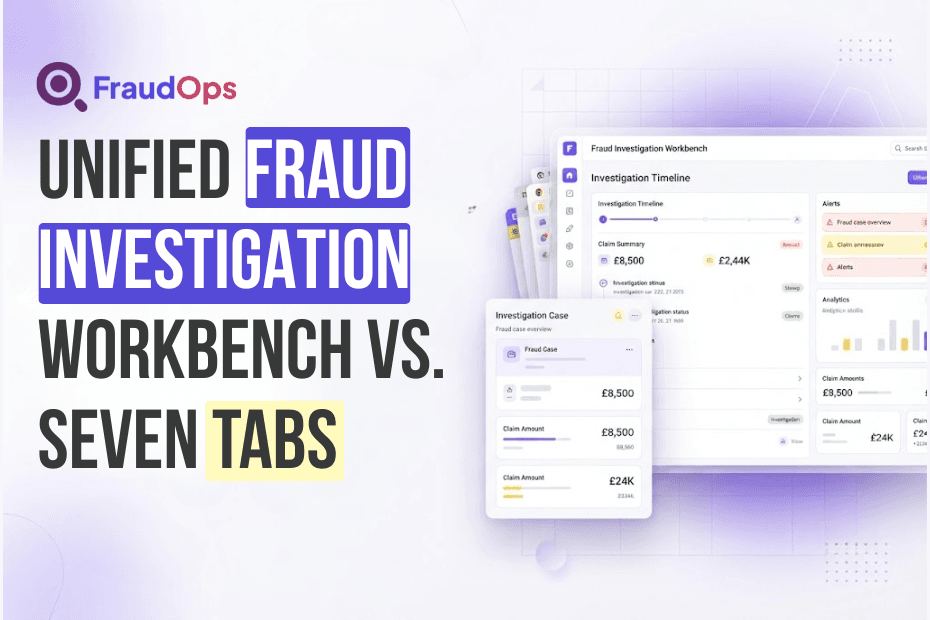
A plain-English definition of the investigations workbench — what it includes, who uses it, and how it differs from detection software.
Carpe Data leads with online data; FraudOps leads with investigation operations. Which gap is costing your SIU more?
Case IQ offers breadth across investigation types; FraudOps offers insurance-native depth. An honest comparison for insurers and TPAs.
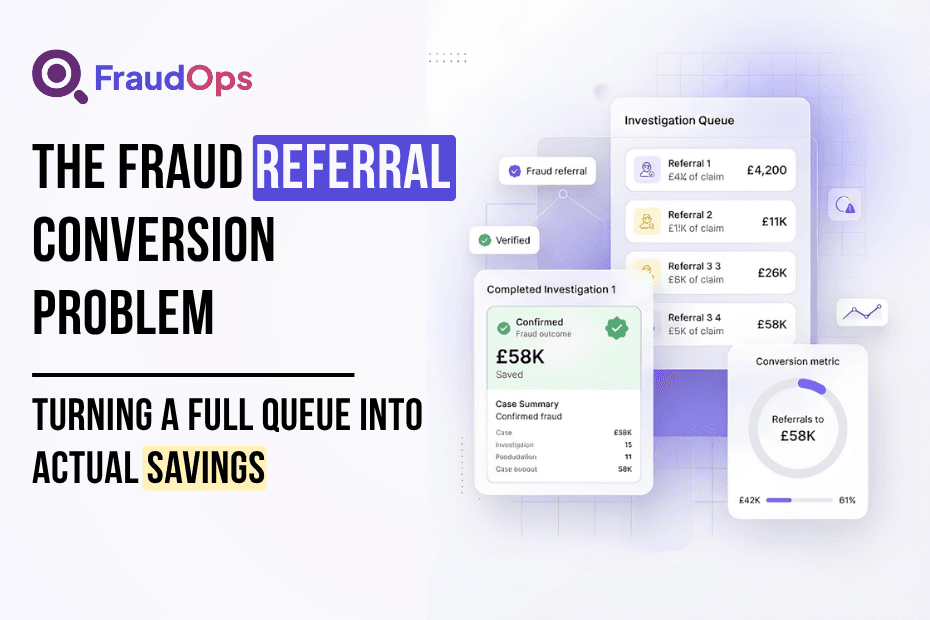
Fraud detection and investigation management are different jobs. Detection finds the suspicious claim; investigation management turns it into a worked outcome. Why the gap costs money, and how to close it.