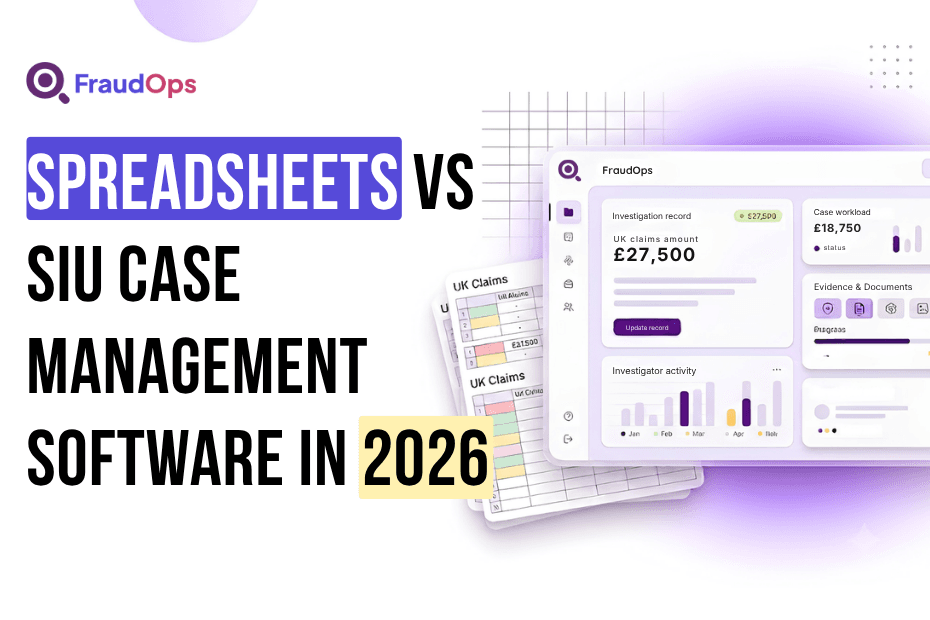
The Real Cost of Using Spreadsheets Vs. SIU Case Management Software in 2026
Still tracking fraud cases in spreadsheets? Here’s what it actually costs an SIU team in time, errors and lost audit trail.
Still tracking fraud cases in spreadsheets? Here’s what it actually costs an SIU team in time, errors and lost audit trail.
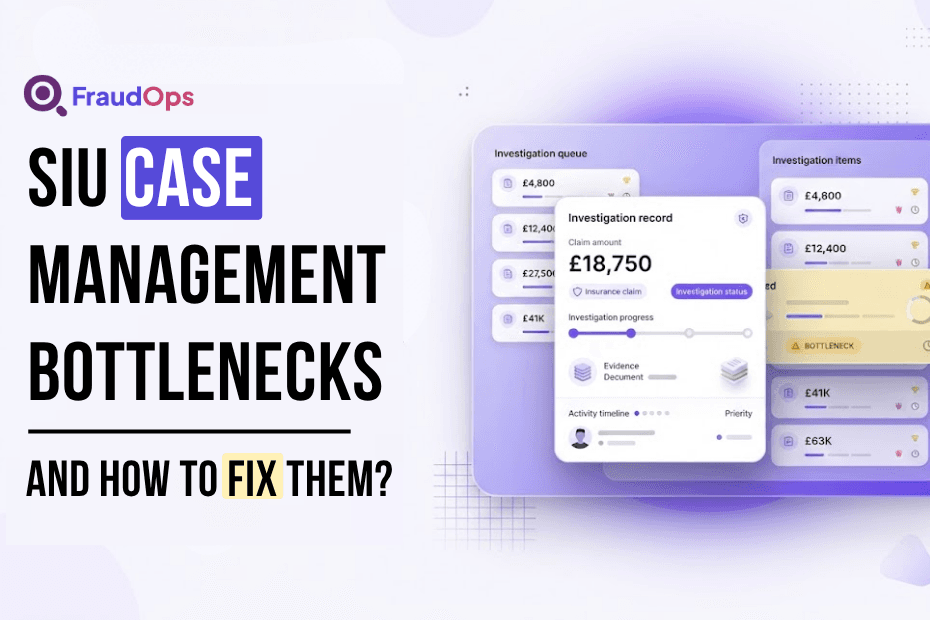
SIU case management bottlenecks rarely come from a lack of technology or headcount. They come from four repeatable failure points: triage queues, lost handoffs, invisible workload, and scattered case data.
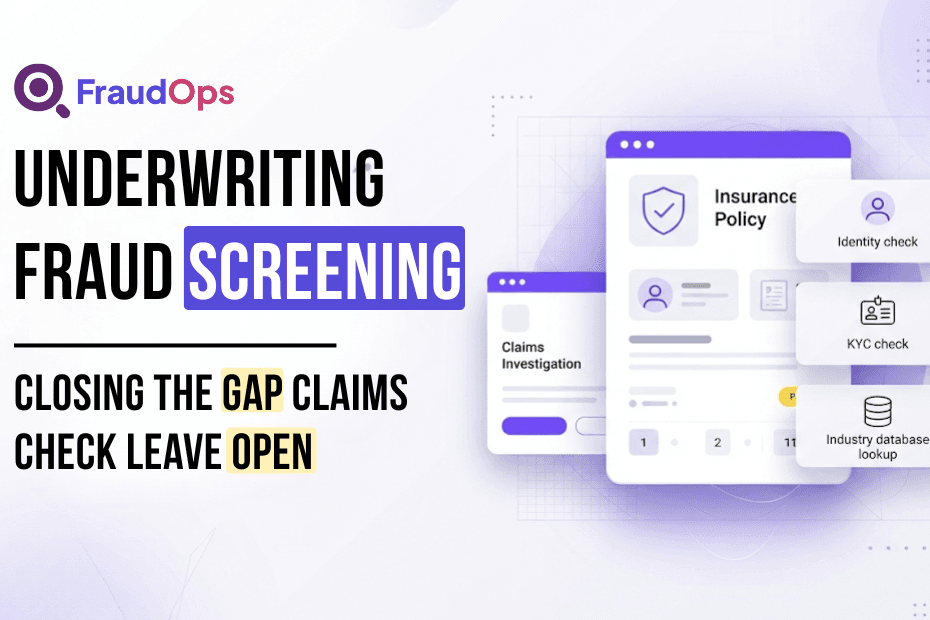
684,800 fraudulent applications were stopped in the UK last year. Here’s how underwriting fraud screening closes the gap claims-only checks leave open.
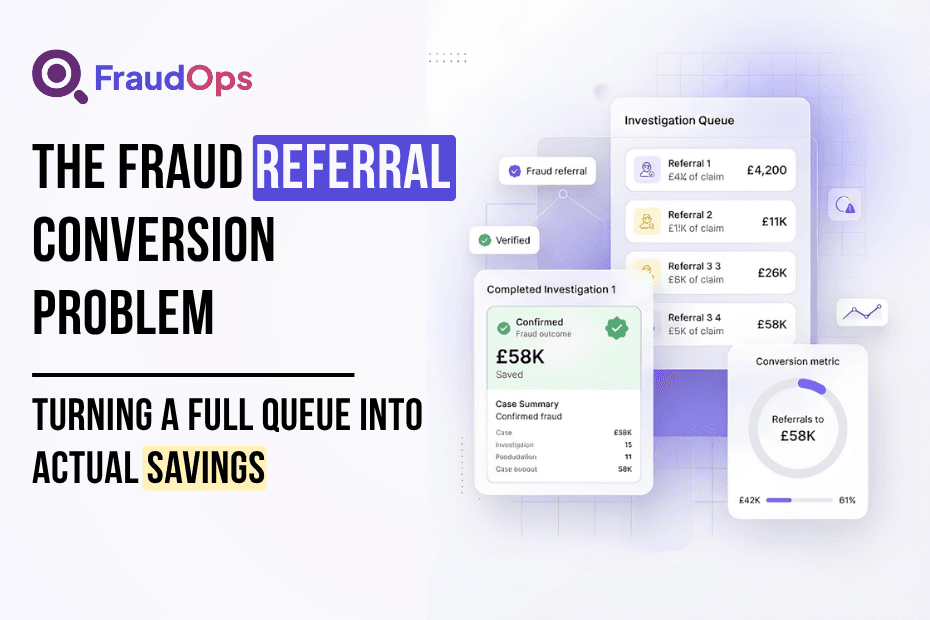
Detection fills the queue; fraud referral conversion decides how much you actually save. Where counter-fraud savings leak between referral and outcome, and how to close the gap.
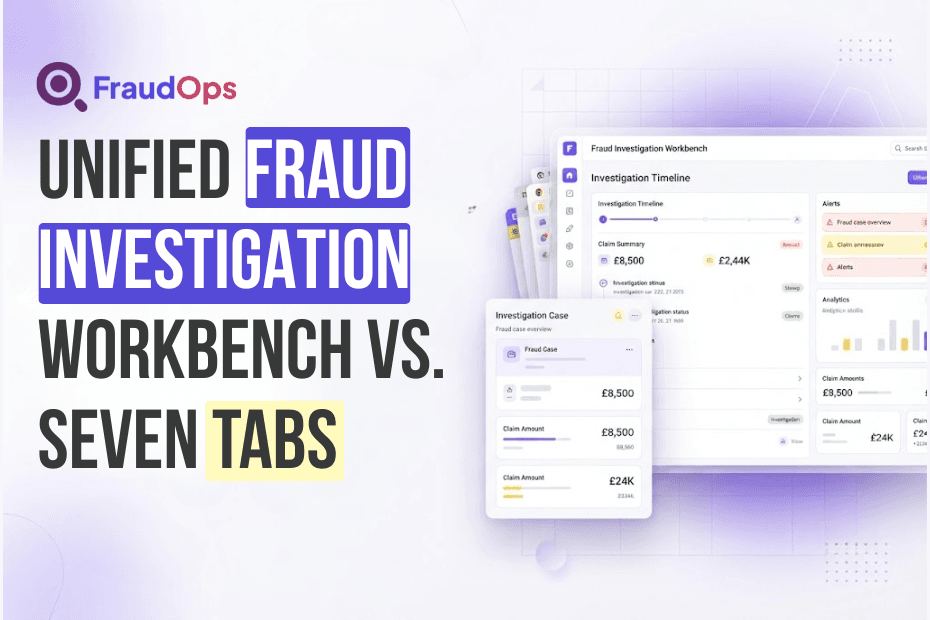
A unified fraud investigation workbench brings the whole case onto one surface. What that changes for case visibility, consistency and investigator capacity.
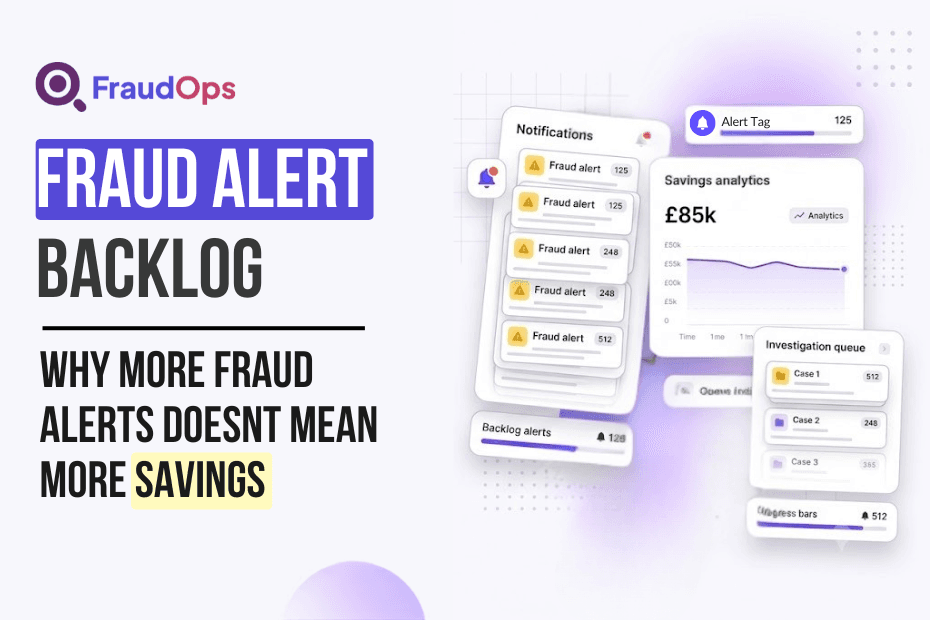
Detection keeps filling the queue; the fraud alert backlog is where savings leak. Why more fraud alerts don’t mean more savings — and how to clear it.
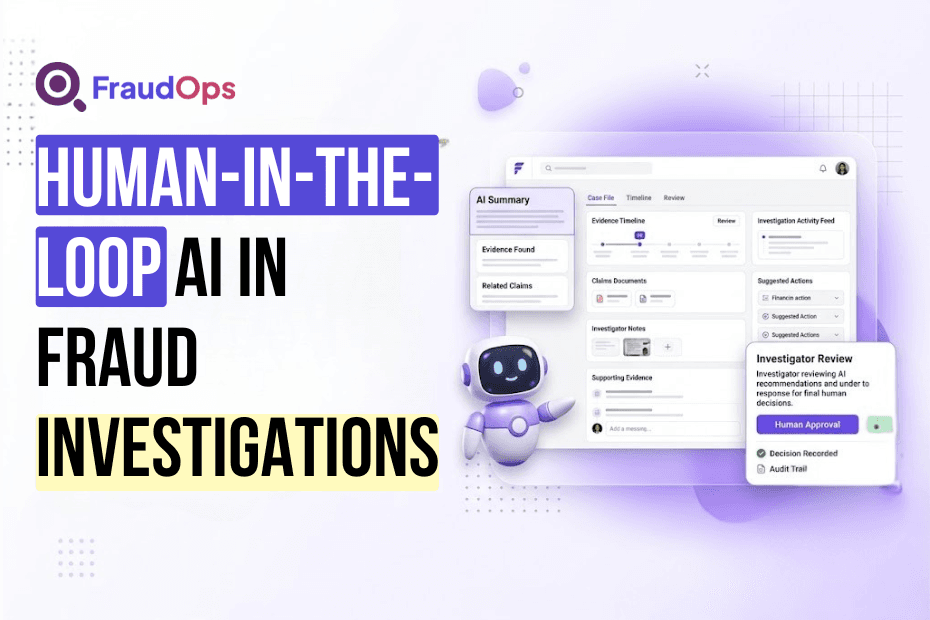
Human-in-the-loop AI in fraud investigation means AI handles retrieval and drafting while a named investigator makes every material decision. What regulators and investigators both need, and why full autonomy stays rare.
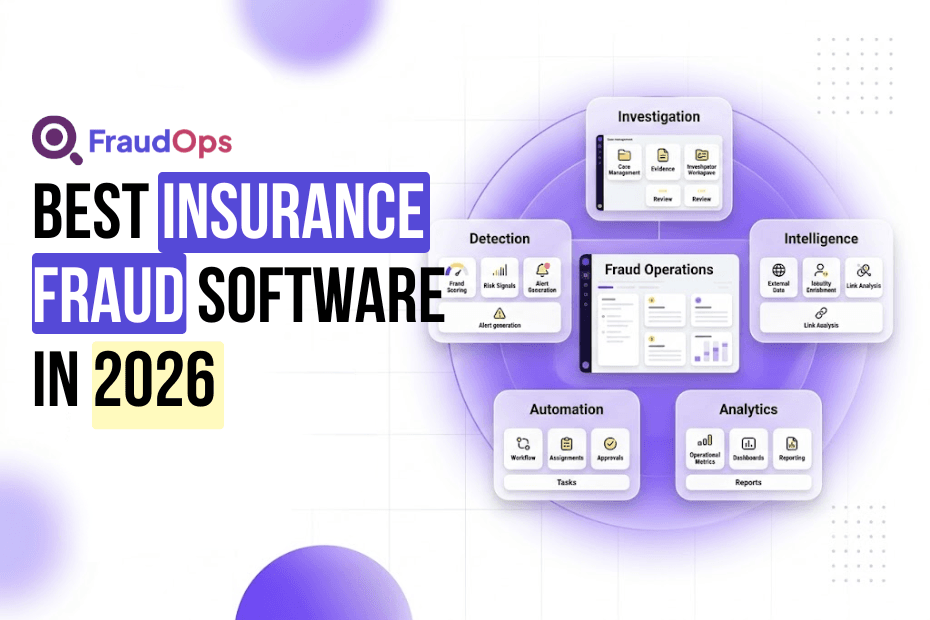
An honest guide to the 2026 insurance fraud software landscape — detection platforms, investigation workbenches, and how UK insurers combine the two layers.
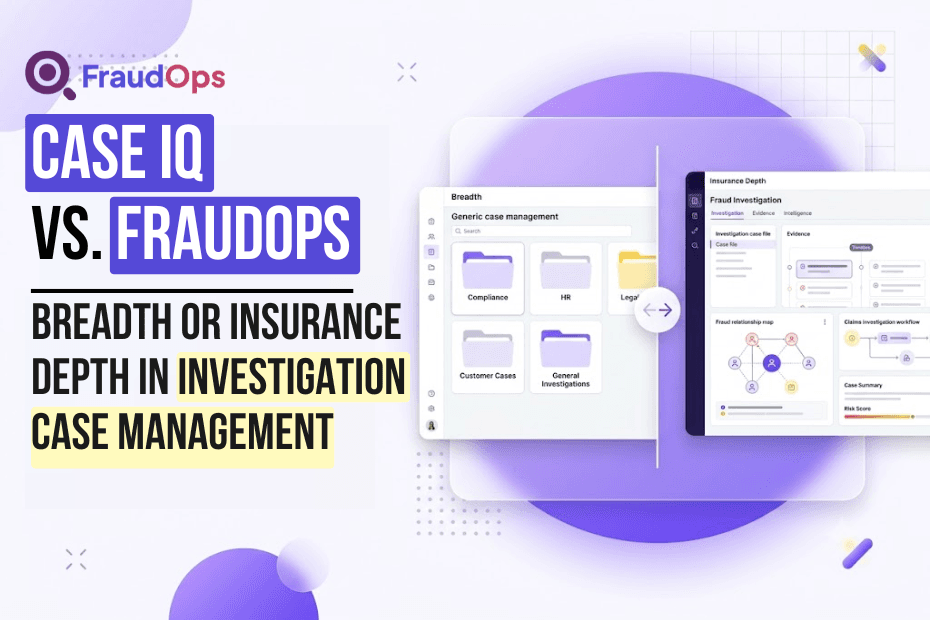
Case IQ offers breadth across investigation types; FraudOps offers insurance-native depth. An honest comparison for insurers and TPAs.
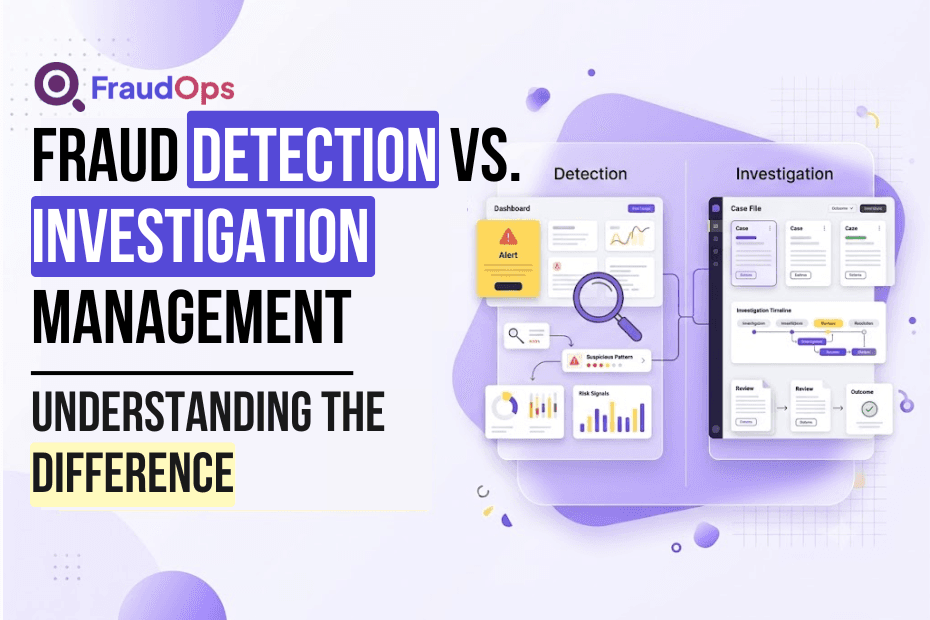
Fraud detection and investigation management are different jobs. Detection finds the suspicious claim; investigation management turns it into a worked outcome. Why the gap costs money, and how to close it.