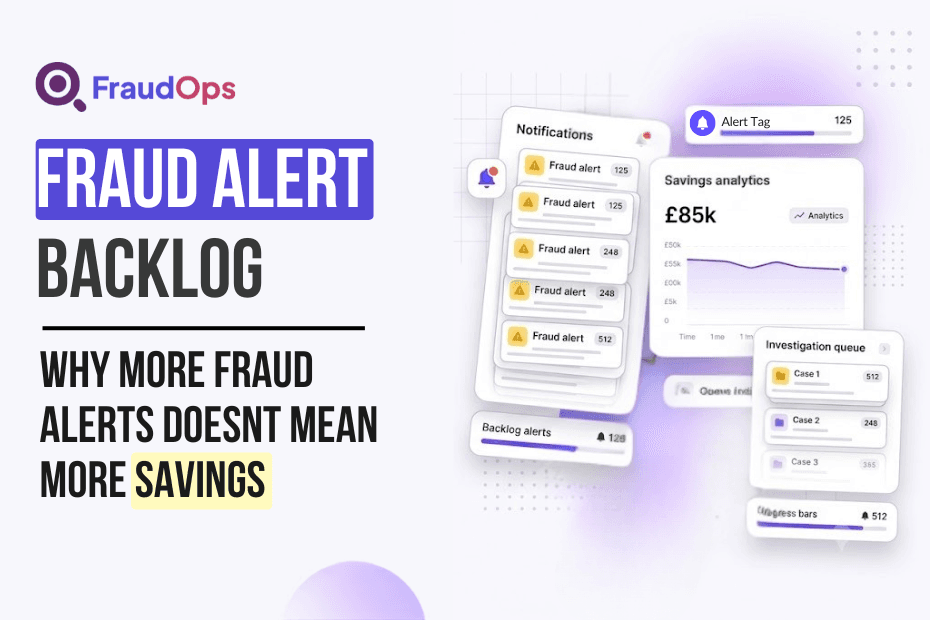
Why More Fraud Alerts Don’t Mean More Savings: The Fraud Alert Backlog
Detection keeps filling the queue; the fraud alert backlog is where savings leak. Why more fraud alerts don’t mean more savings — and how to clear it.
Human-in-the-loop AI in fraud investigation means AI handles retrieval and drafting while a named investigator makes every material decision. What regulators and investigators both need, and why full autonomy stays rare.
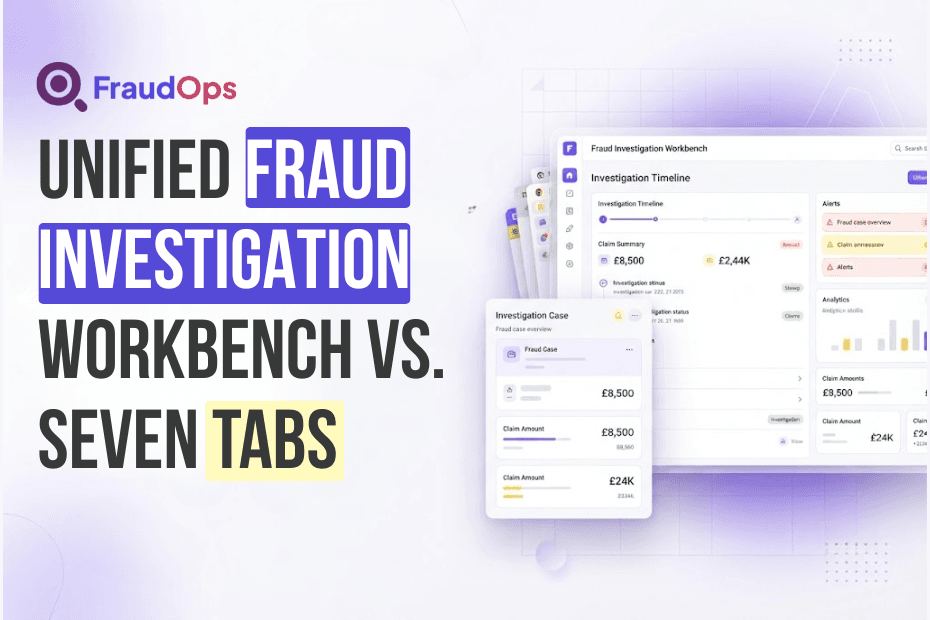
Fraud detection and investigation management are different jobs. Detection finds the suspicious claim; investigation management turns it into a worked outcome. Why the gap costs money, and how to close it.
A repudiation is only as defensible as the trail behind it. What a fraud investigation audit trail must capture, and how SIUs keep it without the admin.
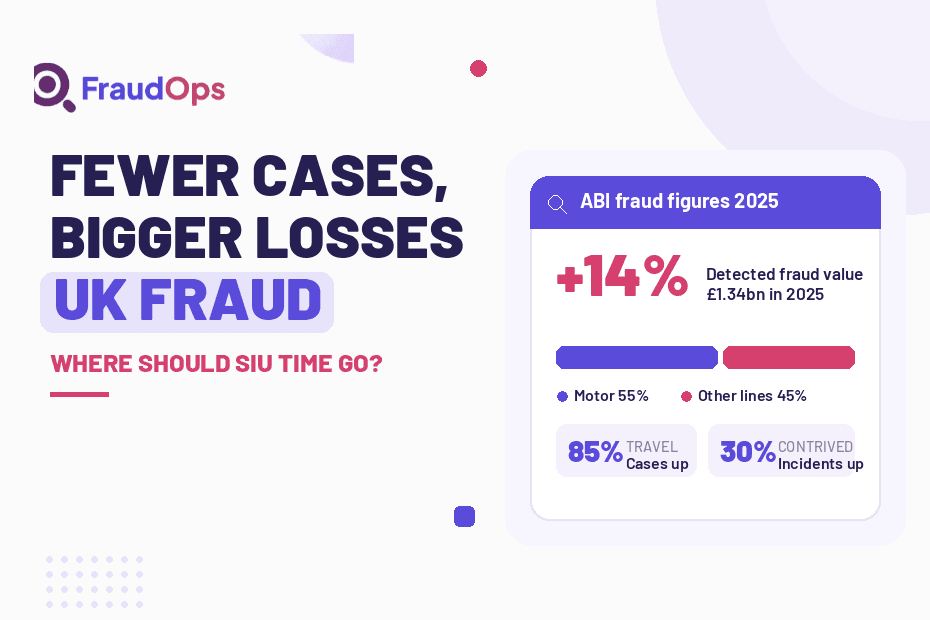
When Sedgwick reported £41 million in fraud savings across 2025, representing an 11 per cent year-on-year uplift, that result reflects a well-run counter-fraud operation doing its job consistently across a full year. The ABI’s November…
Every counter-fraud operation runs on data. Detection models are fed data to identify suspicious patterns. Investigators draw on data to build their cases. Management information reports data to leadership as the evidence base for operational…
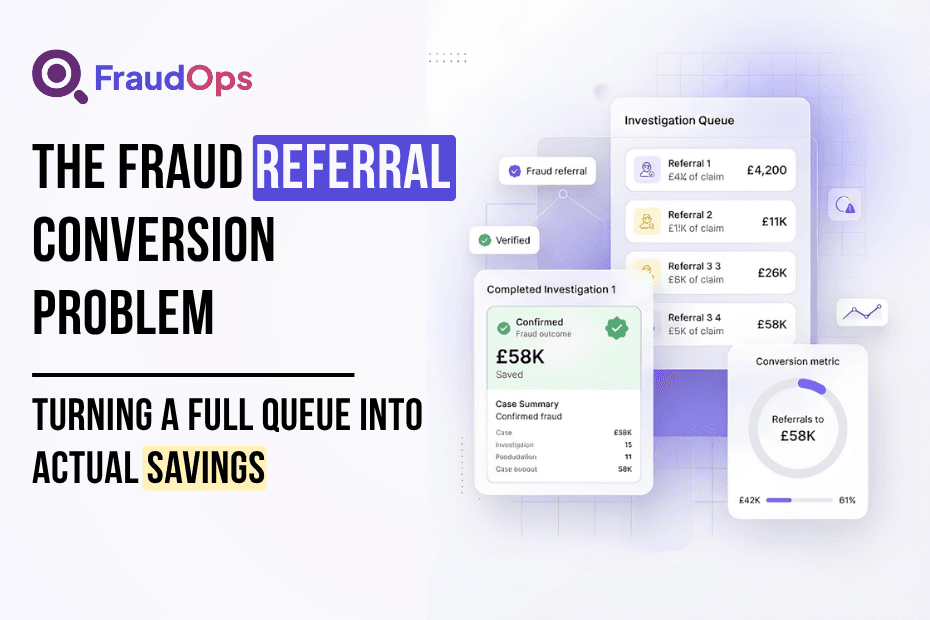
The number that most commonly leads a counter-fraud MI report is the referral count. How many cases came through last month, how that compares to the same period last year, and what the year-to-date total…